

Why Have a Post-Wedding Photoshoot? 9 Benefits of Taking Your Wedding Photos on Another Day
Between the ceremony, family photographs, the drinks reception and dinner, the time available for relaxed couple portraits is often shorter than expected. Delays, changing weather or simply wanting to spend more time with guests can reduce it even further.
A post-wedding photoshoot gives you another option. By arranging the portraits on a separate day, you can choose the location, light and pace without working around the wedding timeline or keeping guests waiting.
This type of session is not necessary for every couple, and it cannot replace the genuine emotions and spontaneous moments captured during the wedding itself. However, it can provide more freedom for creative, relaxed and carefully planned portraits. Here are nine reasons why taking your wedding photographs on another day may be worth considering.
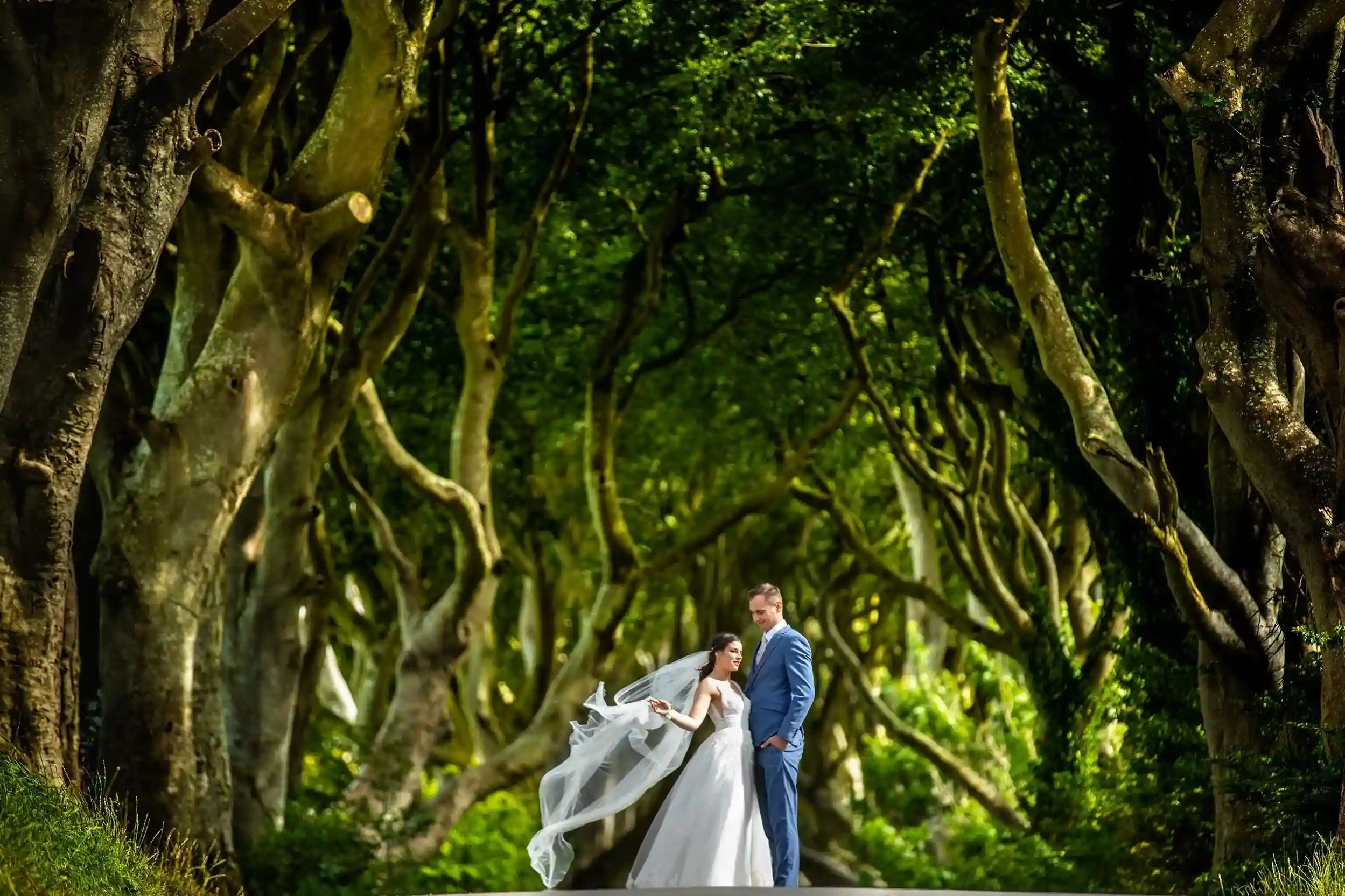
What Is a Post-Wedding Photoshoot?
A post-wedding photoshoot is a separate portrait session arranged after the wedding. The couple usually wears their wedding outfits again, but the session is planned independently from the ceremony, guests and reception schedule.
Its purpose is not to repeat the wedding. Instead, it provides more freedom to choose the location, time of day and style of the couple portraits. The session may take place a few days, several weeks or even months after the celebration. Watch an example of a post-wedding photoshoot.
When
Any suitable date after the wedding, not necessarily the following day.
What You Wear
Usually the original wedding outfits, with styling adapted if preferred.
Main Purpose
To create relaxed and creative couple portraits without the wedding-day timeline.
Is It the Same as a Day-After or Trash-the-Dress Shoot?
A day-after wedding photoshoot is generally the same type of session, although the name suggests that it happens immediately after the wedding. In practice, the date can be chosen around the couple, location, season and weather.
A trash-the-dress shoot is a more adventurous variation in which the outfit may become wet, sandy or dirty. A normal post-wedding photoshoot does not require this. It can be elegant, understated or carefully planned without damaging the wedding clothes.
You can see how we balance real wedding moments with more creative portraits in our wedding photography portfolio.
Would you like to see how we balance real moments with creative wedding portraits?
Explore our natural, documentary-led photography style and see how artistic portraits can fit around the real flow of your wedding day.
The 9 Biggest Benefits of Taking Your Wedding Photos on Another Day
A separate portrait session can give you more freedom without taking anything away from the real wedding day. These are the nine main reasons couples may choose to arrange their creative wedding portraits on another date.
1. Spend More of Your Wedding Day With Your Guests
The drinks reception is often used for family photographs and couple portraits, even though it may be one of the few times when all your friends and relatives are together.
A post-wedding photoshoot allows you to keep the wedding-day portrait session shorter and return to your guests sooner. We would still recommend taking some couple photographs on the day, as the real atmosphere and emotions cannot be recreated later. The separate session simply means that every creative idea does not have to fit into the same limited window.
2. Create Couple Portraits Without a Rushed Timeline
Wedding schedules can change. A ceremony may run late, family photographs may take longer than expected, or dinner may need to begin earlier. When this happens, couple portraits are often the first part of the timeline to become shorter.
On another day, there is no reception schedule waiting in the background. You have more time to move naturally, settle into the session and explore ideas without constantly checking the clock. This does not guarantee better photographs, but it creates more space for genuine reactions and carefully considered portraits.
3. Choose a Location That Would Not Fit the Wedding-Day Schedule
Your preferred portrait location may be too far from the ceremony or reception venue. Travelling to a beach, dramatic coastline, castle ruin, city centre or meaningful personal location could take too much time while guests are waiting.
A separate session removes many of these logistical restrictions. The aim is not to replace the wedding venue with somewhere more impressive, but to add a setting and visual atmosphere that could not realistically be included in the wedding-day schedule.
4. Plan the Session Around the Light You Want
On the wedding day, couple portraits must fit around the ceremony, travel, family photographs, dinner and the venue schedule. This means the timing may be determined by the programme rather than the visual atmosphere you prefer.
A separate session can be planned for soft evening light, dramatic clouds, sunset, blue hour or a more cinematic look using creative lighting. No particular weather or sunset can be guaranteed, but you have greater freedom to choose the time of day that best supports the style of photographs you want.
5. Get Another Opportunity After Rain, Delays or Limited Portrait Time
Rain does not prevent meaningful or creative wedding photographs. However, persistent rain, strong wind or unsafe ground may make a planned coastline, garden or exposed outdoor location impractical.
The same can happen when the ceremony runs late, family photographs take longer than expected or the reception schedule changes. A post-wedding photoshoot does not redo or replace the original photographs. It simply provides another opportunity to explore a location or creative idea that could not be completed safely or comfortably on the wedding day.
6. Create More Artistic and Adventurous Wedding Portraits
The wedding day should not be interrupted simply to create every possible portrait idea. Real conversations, reactions and spontaneous moments continue while the photographer is working, and these are an essential part of the final gallery.
A separate session provides more time for thoughtful compositions, longer walks, creative lighting and locations that require additional planning. This may mean dramatic coastal portraits, an evening city session or a quieter landscape-focused series.
These photographs are not necessarily better than the wedding-day images. They reflect a different side of wedding photography. Our guide to wedding photography styles in Ireland explains how documentary, candid, editorial and cinematic approaches can create very different visual results.
7. Feel More at Ease in Front of the Camera
By the time a post-wedding photoshoot takes place, you have already spent a full wedding day working with your photographer. You know how they guide you, what kind of direction they give and what the experience feels like.
This familiarity, together with the absence of guests and wedding-day time pressure, can make it easier to settle into the session. Your photographer also already understands how you move together and how much guidance helps you feel natural.
If camera confidence is one of your main concerns, our guide to choosing the right wedding photographer explains why communication, trust and working style matter.
8. Wear Your Wedding Outfits Again With Fewer Restrictions
During the wedding, your outfits may need to remain clean and presentable for dinner, the first dance and evening photographs. This can make wet grass, muddy ground, rocks or the edge of the sea feel unnecessarily risky.
On a separate day, you can wear your wedding outfits again without protecting them for the next part of the celebration. This does not mean they must be deliberately damaged or dirtied. It simply allows greater freedom when choosing terrain, movement and location.
9. Add a Different Visual Chapter to Your Wedding Story
Your wedding-day gallery already tells the complete story of the celebration, including the preparations, ceremony, guests, speeches and spontaneous moments.
A post-wedding session can add a visually different chapter. It may be quieter, more landscape-focused, more cinematic or more deliberately artistic than the photographs created during the wedding itself.
The value is not simply receiving more images. It is creating a distinct portrait series that complements the real wedding story without attempting to replace it.
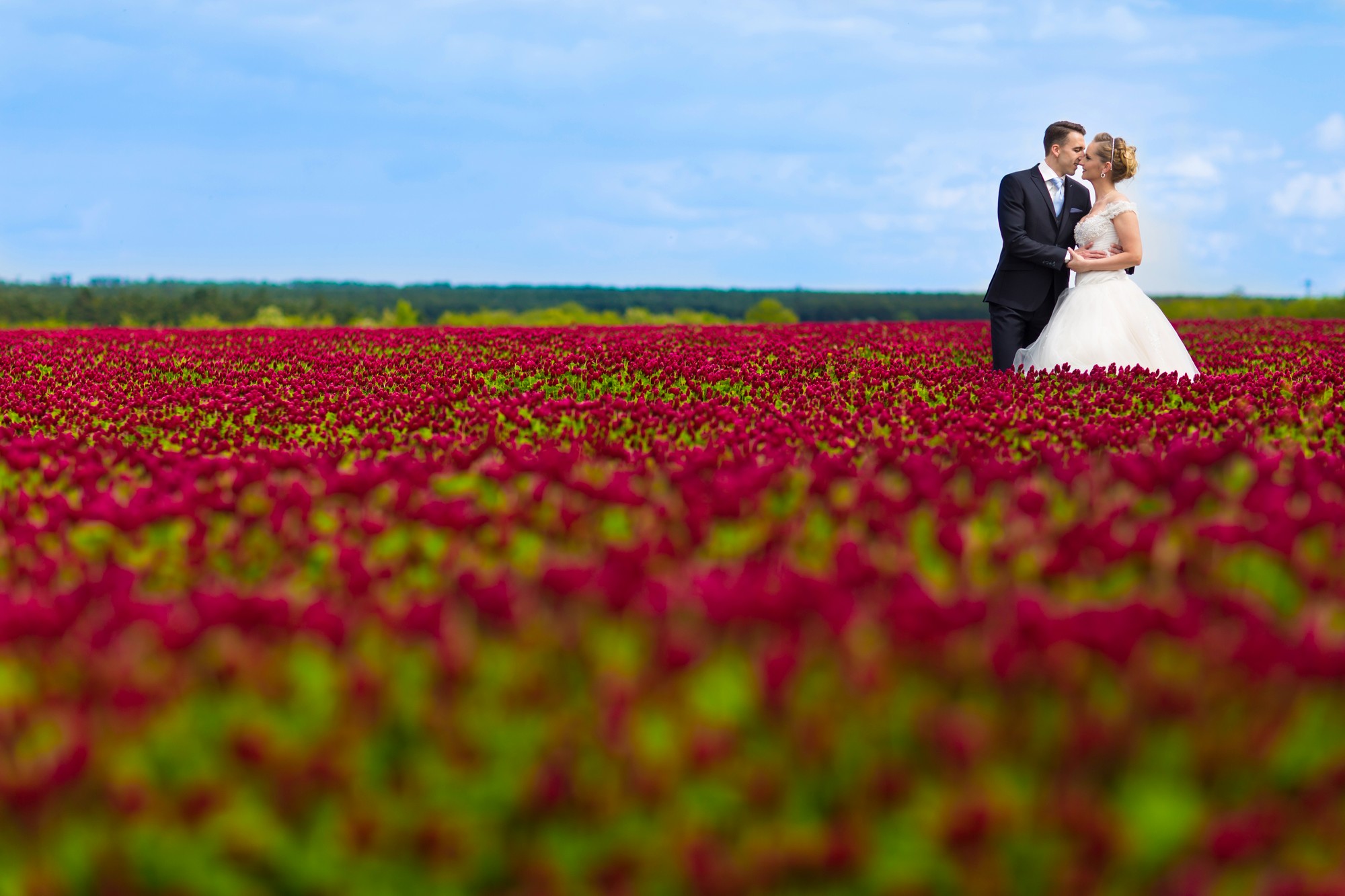
Engagement Shoot or Post-Wedding Portraits: What Is the Difference?
An engagement shoot and a post-wedding photoshoot both take place separately from the wedding day, but they serve different purposes. In Ireland, the terms engagement shoot and pre-wedding photoshoot are often used for the same type of session.
Engagement / Pre-Wedding Photoshoot
When: Before the wedding
What you wear: Usually everyday, smart-casual or formal clothing
Main purpose: To become familiar with the photographer and feel more confident in front of the camera
Post-Wedding Photoshoot
When: After the wedding
What you wear: Usually your wedding outfits
Main purpose: To create additional wedding portraits with greater freedom over location, timing and style
A pre-wedding session mainly helps you prepare for the wedding day. You can learn how your photographer works, discover how much direction feels comfortable and create relaxed couple photographs for invitations, a wedding website or personal use.
A post-wedding session focuses on creative freedom rather than preparation. By this stage, you have already worked with the photographer, and the aim is to create wedding portraits that may not have fitted into the original location or timeline.
The two sessions can complement each other, but neither is essential and neither replaces the real events and spontaneous photographs captured during the wedding.
What a Separate Wedding Portrait Session Cannot Replace
A post-wedding photoshoot can provide more time, location freedom and creative control, but it serves a different purpose from wedding-day photography. It should complement the original gallery rather than attempt to recreate the celebration.
What It Adds
More time for couple portraits, different locations and greater freedom with light and creative ideas.
What Belongs to the Wedding Day
The ceremony, genuine emotions, guest reactions, spontaneous interactions and the atmosphere of the celebration.
How to View It
As an additional portrait experience, not a replacement, recreation or correction of the original wedding photographs.
The anticipation before the ceremony, the emotion of the vows and the reactions of family and friends belong to a particular moment. They cannot be staged again later with the same meaning.
For this reason, we still recommend creating at least a short series of couple portraits during the wedding. Those photographs carry the real energy and atmosphere of the day, while a separate session offers space for more deliberately planned and artistic images.
The two approaches work best together: wedding-day photography preserves the story as it naturally unfolds, while the post-wedding session adds a different creative dimension.
Planning a Separate Wedding Portrait Session in Ireland
A post-wedding photoshoot offers more flexibility than wedding-day portraits, but the location, light, access, weather and condition of your outfits still require advance planning. The aim is not to control every detail or wait indefinitely for perfect conditions. It is to create a practical plan that supports the photographs you want.
Timing and Light
Choose the season and time of day according to the atmosphere you want to create.Location and Access
Confirm permission, opening hours, travel time and any restrictions before fixing the date.Outfits and Weather
Check your wedding clothes, prepare for the terrain and agree on a backup plan.When Should You Arrange the Session?
The photoshoot does not have to take place immediately after the wedding. Some couples arrange it within a few days, while others wait until after their honeymoon or choose another season entirely.
An earlier date may make it easier to create a look similar to the wedding day. Waiting longer provides more time to prepare the outfits, secure location permission and plan a deliberately different atmosphere. The best timing depends on the season, the chosen location and how closely you want the photographs to match the original gallery.
Choose the Location Before the Exact Time
A beach, forest, city street, castle ruin or country estate will work differently depending on the light, public access and walking distance. Begin by choosing the atmosphere that suits you, then plan the time of day around that location.
The most suitable place is not necessarily the most famous one. It should fit your personalities, clothing, mobility and the type of portraits you want to create. For more location inspiration, you can explore our guide to castle wedding venues in Ireland.
Check Permission, Access, Weather and Tides
A location being open to visitors does not always mean professional photography is automatically permitted. Historic sites, private estates, gardens and hotels may require advance approval, a photography fee or proof of insurance.
Before confirming the date, check permission, opening hours, parking, walking distance and any access restrictions. Coastal sessions also require attention to tide times, wind and safe routes. A beach or rocky area that is accessible earlier in the day may become unsafe as the tide rises.
Irish weather can change quickly, so the plan should define which conditions are suitable and which would require another location or date. Couples planning locally can also explore our approach to wedding photography in Meath.
Prepare Your Wedding Outfits
Check the wedding clothes for marks, damaged hems, loose buttons or anything that may need professional cleaning or repair. Delicate fabrics and embellishments should be handled carefully rather than treated with unsuitable products at home.
Useful items may include comfortable walking shoes, formal shoes for the photographs, a warm or waterproof layer, a clean towel, umbrellas, a garment bag, hairpins and a small sewing kit.
For uneven, wet or muddy ground, it is usually easier to walk in practical footwear and change into formal shoes when required.
Do You Need the Same Hair, Makeup and Flowers?
No. Similar styling can help the new photographs blend with the original wedding gallery, but recreating every detail is not necessary.
You may choose a more relaxed hairstyle, different makeup, another bouquet or no flowers at all. The styling should feel consistent within the new portrait series rather than attempting to copy the wedding day exactly.
How Long Should the Photoshoot Take?
There is no single ideal duration. A simple session at one accessible location may require only a relatively short window, while a plan involving travel, walking, changing light or several settings will take longer.
The timeframe should be based on the agreed creative plan, with travel and walking time considered separately wherever possible.
Agree on a Weather Backup Plan
Decide in advance when the final weather decision will be made and what conditions are acceptable for the chosen location. The alternative may be a sheltered setting, a different start time, a shorter session or another date.
Location fees, permits, accommodation and styling appointments should also be considered when agreeing how rescheduling will work. A clear backup plan prevents rushed decisions if conditions change.
Would a post-wedding photoshoot give you more creative freedom?
See how a separate portrait session could fit your wedding plans and explore photography options shaped around the location, timing and style you have in mind.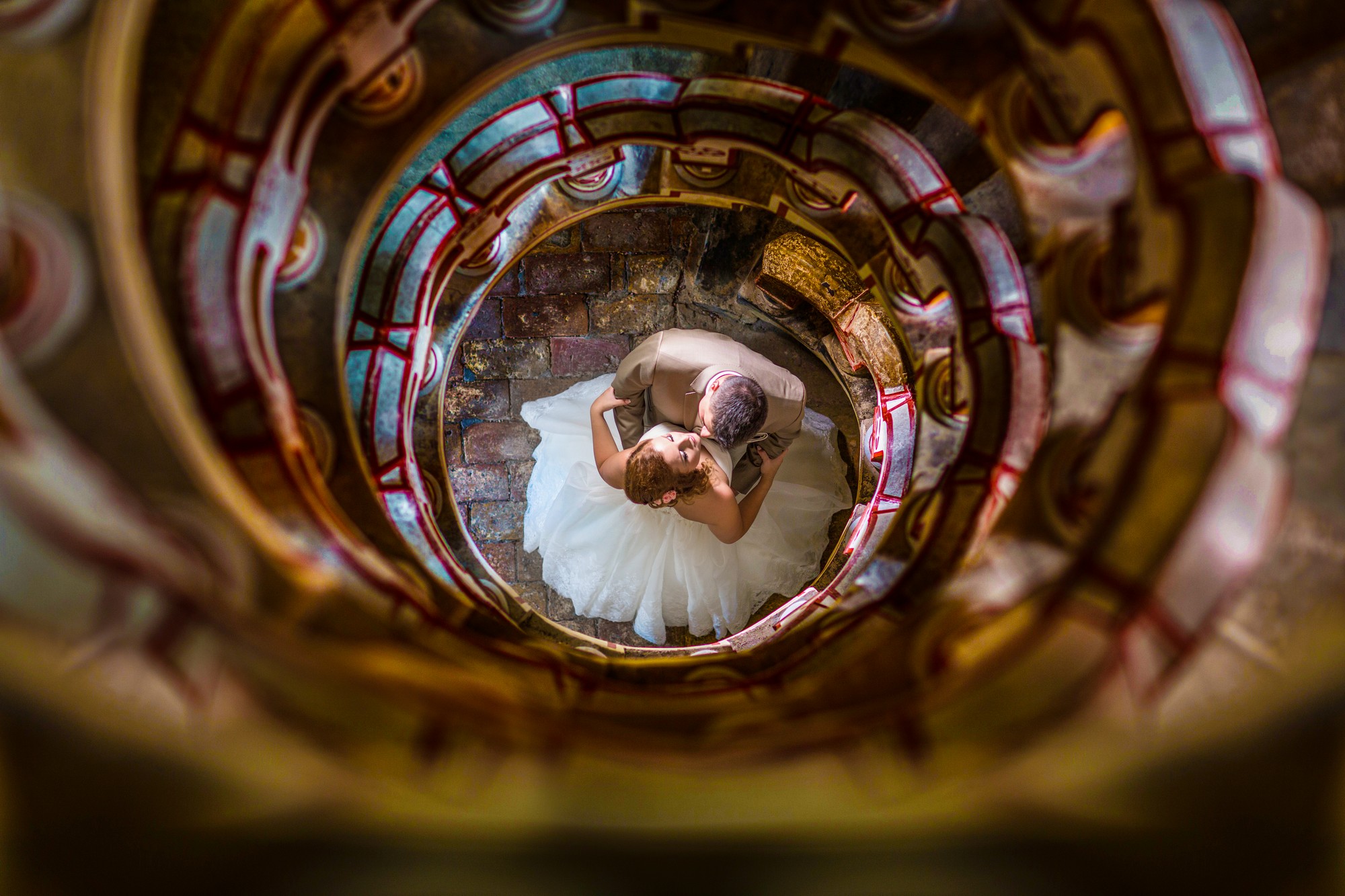
Is a Post-Wedding Photoshoot Worth It?
It May Be Worth It If…
- Creative couple portraits are a high priority.
- Your preferred location is too far from the wedding venue.
- You want to spend more of the drinks reception with your guests.
- The wedding timeline allows only a short portrait session.
- Weather or delays prevent a planned outdoor idea.
- You would enjoy wearing your wedding outfits again.
You May Not Need It If…
- Your venue already provides the locations and variety you want.
- Enough portrait time is included in the wedding schedule.
- Documentary moments matter more to you than extended creative portraits.
- The additional organisation would create more stress than enjoyment.
- You do not want to prepare or wear the outfits again.
- Your existing portrait plan already reflects your priorities.
Final Thoughts: More Freedom, Not More Pressure
A post-wedding photoshoot is not a necessary part of every wedding photography plan. A complete and meaningful gallery can be created on the wedding day, combining real moments, family photographs and couple portraits.
A separate session becomes valuable when it provides something the original timeline cannot comfortably offer, such as a distant location, more time with guests or greater freedom for artistic portraits.
The right decision depends on your priorities. When planned for a clear reason, a post-wedding session can add a visually different chapter to the wedding gallery without trying to replace the genuine emotions and spontaneous moments of the celebration itself.
Could a separate wedding portrait session fit your plans?
Tell us your wedding date, venue and the kind of photographs you have in mind. We will check our availability and help you explore the most suitable options.
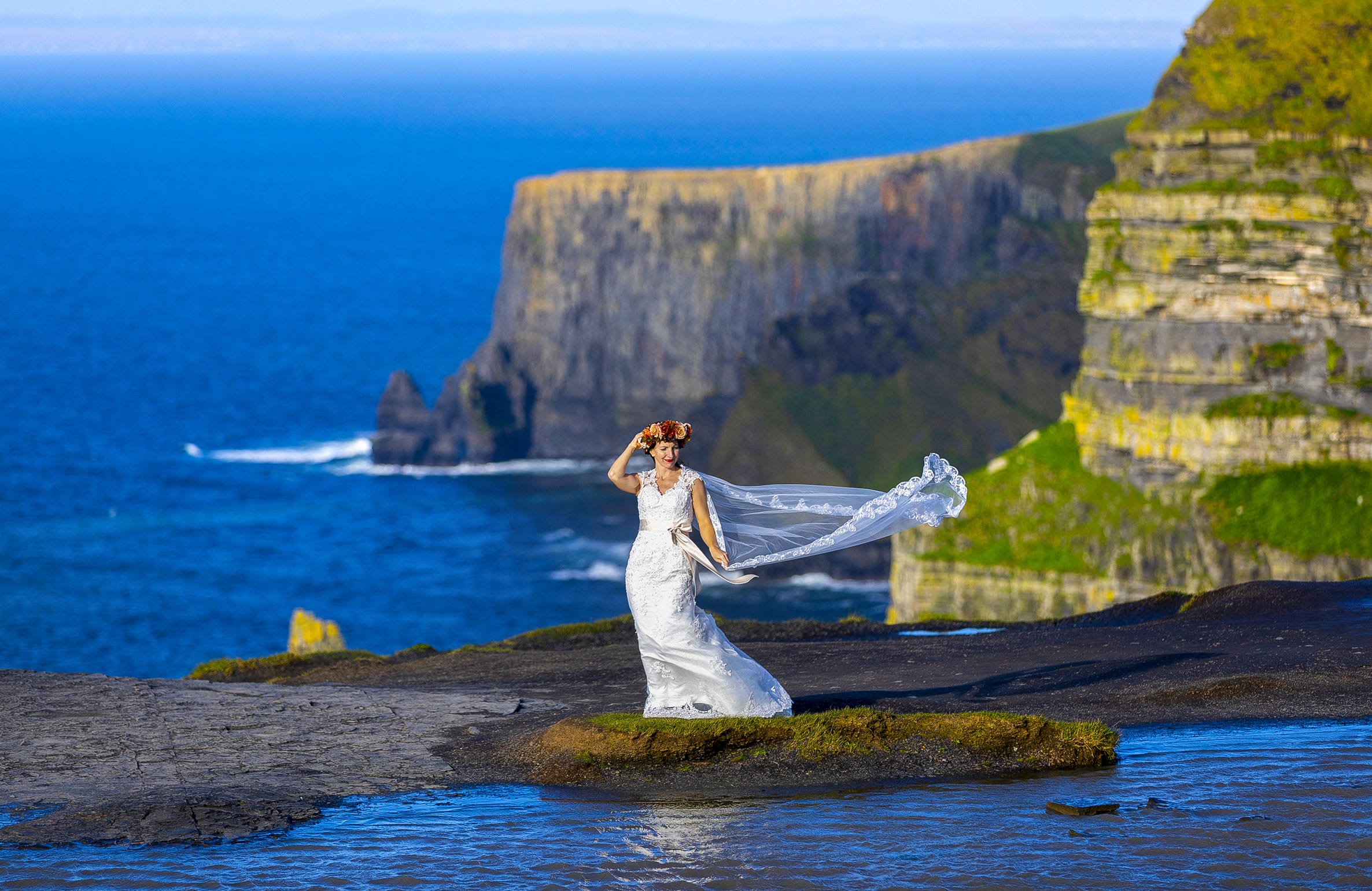
Frequently Asked Questions About Post-Wedding Photoshoots
It may also be called an after-wedding session, day-after wedding photoshoot or wedding portrait session. A trash-the-dress shoot is a more adventurous variation in which the wedding outfit may become wet, sandy or dirty, but this is not required for a normal post-wedding session.
No. The session can take place a few days, several weeks or even months after the wedding. The best date depends on the condition of your outfits, the location, the season and whether you want the photographs to resemble the original wedding day.
No, although wearing the wedding outfits again is what usually distinguishes a post-wedding session from an ordinary couple photoshoot. You can wear the original outfits, change some accessories or adapt the styling to suit the location and season.
The duration depends on the location, travel, walking distance and creative plan. A simple session at one accessible setting may be relatively short, while several locations, changing light or more adventurous terrain will require additional time.
No. An engagement or pre-wedding photoshoot takes place before the wedding and often helps the couple become familiar with the photographer and camera. A post-wedding photoshoot happens afterwards, usually in the wedding outfits, and focuses on additional creative portraits.
No. We still recommend creating at least a short series of portraits during the wedding. The real emotions, atmosphere and energy of the celebration cannot be reproduced later. A separate session should complement the wedding-day gallery rather than replace it.
A weather backup plan should be agreed in advance. Depending on the conditions, the session may continue in light rain, move to a sheltered location, begin at another time or be transferred to a different date. Safety should always take priority.
Yes. This is one of the main benefits of arranging the portraits on another day. You can choose a coastline, city setting, countryside location or somewhere personally meaningful, provided access, photography permission, opening hours and any applicable fees are confirmed in advance.
No. Similar styling can help the new photographs match the original wedding gallery, but an exact recreation is unnecessary. You can choose different hair, makeup, accessories or flowers, provided the overall look suits the new session.
- Published:
- Modified: 27 Jul 2026