

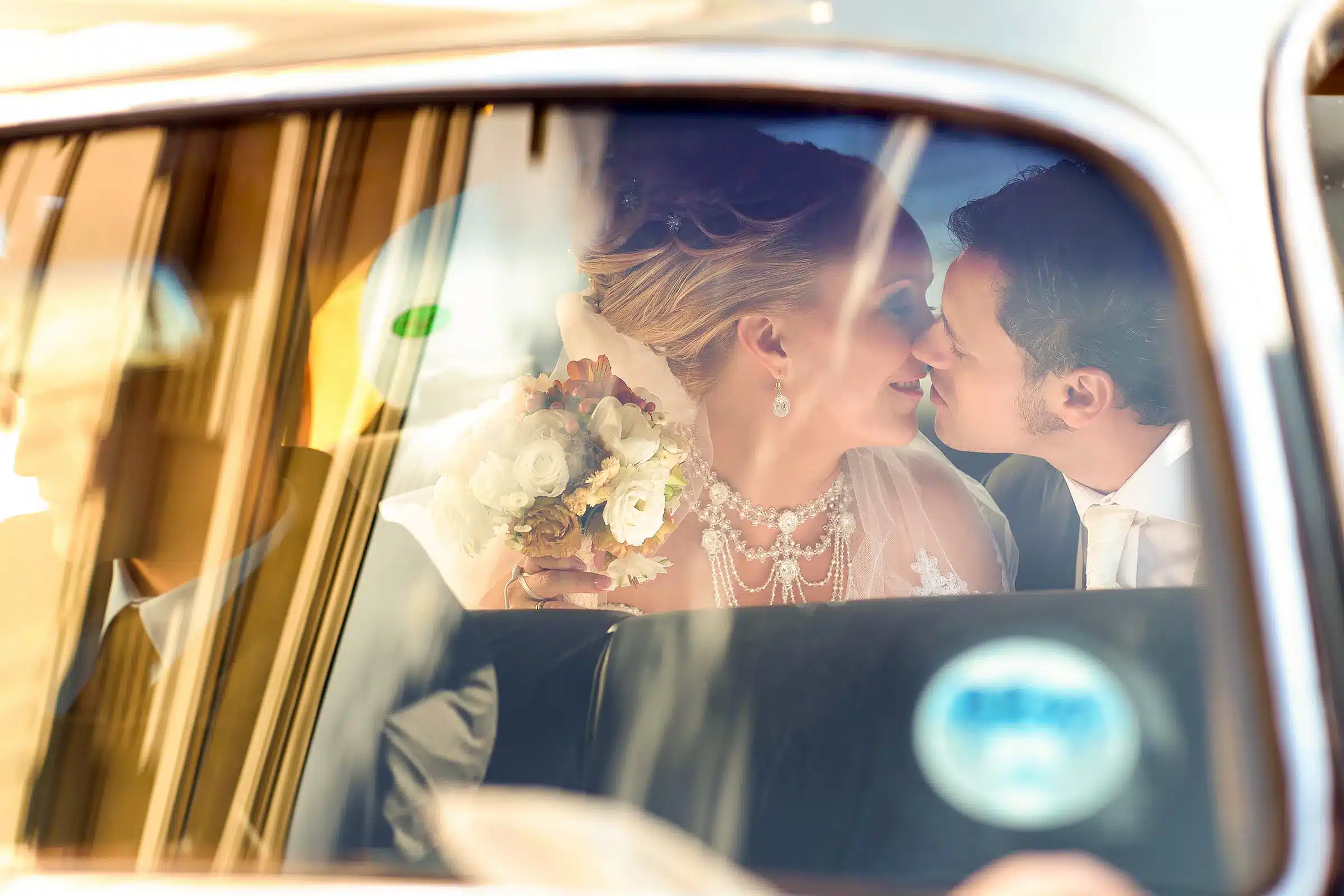
Documentary Style Wedding Photography Explained: Natural, Unposed Moments
After photographing weddings across Ireland, we’ve learned that some of the most meaningful images come from moments nobody planned. That’s what draws us to documentary style wedding photography: a nervous smile before the ceremony, a quiet squeeze of the hand, or laughter that catches everyone by surprise.
Rather than arranging every moment, we pay attention to what’s happening around us and photograph the day as it unfolds. We want you to recognise your wedding in those pictures, including the little things you might not have noticed at the time.
And yes, we still guide couples when it helps. Family group photographs and relaxed portraits have their place. We’ll explain how we combine those moments with a more natural, unposed approach, and what you can expect from us on your wedding day.
What Is Documentary Style Wedding Photography?
On This Page
We see documentary photography as a way of working, not simply a particular look or editing style. We follow real events, notice the connections between guests and make space for moments to unfold without asking anyone to repeat them for the camera.
You may also hear this approach called reportage wedding photography or wedding photojournalism. Photographers sometimes use these terms slightly differently, but they share a central idea: telling the story through what genuinely happens, rather than arranging a sequence of photographs. It’s not just about catching laughter. Quiet glances, nervous hands and small gestures can tell you just as much about the day.
We don’t think documentary photography means standing at the back and hoping for the best. It takes attention, patience and the judgement to know when to move closer and when to give people space. We want the photographs to feel recognisable to you, including the ordinary in-between moments you might not remember noticing at the time. Those details often help a whole wedding story feel complete.
How Documentary Wedding Photography Captures Natural, Unposed Moments
When we’re photographing a wedding, we’re not watching only the two of you. We notice who’s standing just outside a conversation, who looks towards the doorway when you arrive, and which friends always make each other laugh. Those little clues help us decide where to be before something happens.
Take the speeches. While everyone listens to the person holding the microphone, we’re also looking around the room. A parent might be trying not to cry, or two friends might exchange a look over a familiar story. We can’t predict every reaction, but we can be ready for it. Asking someone to do it again afterwards would never feel quite the same.
That readiness matters throughout the day. We’re making decisions about light, backgrounds and where to stand, sometimes moving quietly to find a clearer view. An unposed photograph still needs thoughtful composition. The difference is that we adjust ourselves to the moment rather than asking the moment to adjust to us.
Of course, our presence isn’t invisible, and sometimes people need a little guidance. But for most of the day, we want you to enjoy what’s happening without wondering where the camera is. You can see more of the moments we look for in our wedding photography portfolio.
Could This Approach Feel Right for Your Wedding?
Tell us a little about your plans and explore photography options for your day.
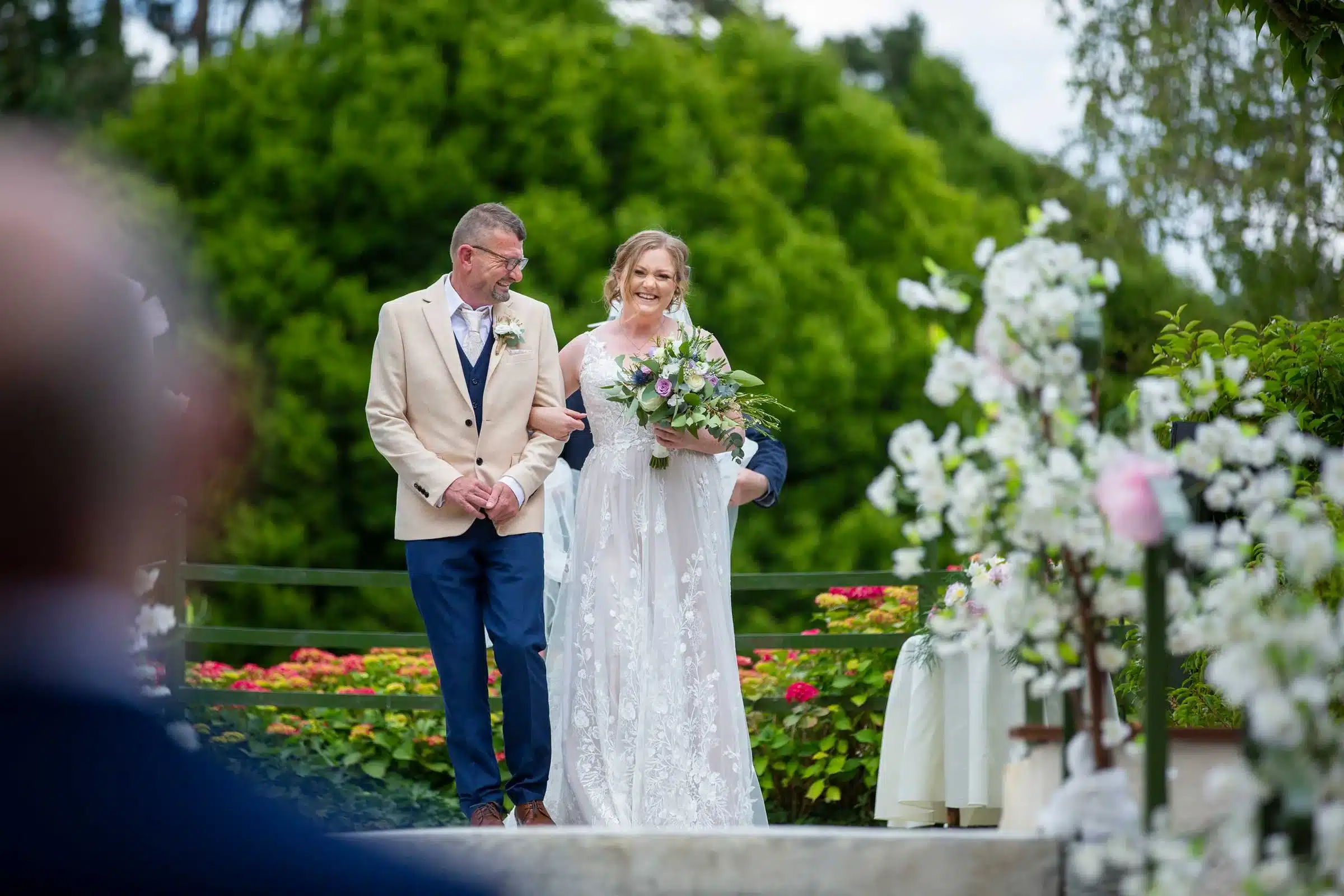
Documentary Style Wedding Photography Throughout Your Wedding Day
A wedding doesn’t feel the same from morning to night, and we don’t photograph every part of it in the same way. The pace changes, people relax or become emotional, and sometimes the smallest moment connects two parts of the story. We want the finished gallery to reflect those changes, not just the big events on the timetable.
After more than 800 weddings, we’ve learned that the atmosphere can change quickly. A quiet morning becomes a nervous walk towards the ceremony; later, those same people are laughing around a table or dancing together. We want your photographs to carry you through those changes, not just tick off the timetable.
Getting Ready and the Ceremony
Getting ready rarely happens in a perfectly tidy room, and we wouldn’t ask everyone to stop for the camera. We photograph the dress, rings and finishing touches, but we’re watching the people around them too. It might be a friend fastening a button, someone hunting for a missing shoe or a parent quietly checking that everything is ready. These scenes say something about the morning that a photograph of the dress alone can’t.
The ceremony calls for a different kind of attention. We can’t ask you to repeat the moment you exchange vows, and sometimes the celebrant or venue limits where we can stand. So we plan our positions, pay attention to what’s coming next and know when staying still is better than moving for a different angle.
The Drinks Reception, Speeches and Dancing
Once the ceremony is over, conversations begin in every direction. People catch up, children wander between groups and someone always seems to be laughing at a story we haven’t heard. We try to photograph those connections without interrupting them.
Speeches briefly bring everyone together again. Then the dancing starts, the light changes and the pace picks up. We adapt our cameras and where we stand, but not the reason we’re there. When you look through the finished gallery, we want you to recognise the whole day, including the parts you didn’t get to see yourself.
Documentary vs Candid, Traditional and Editorial Wedding Photography
These labels often get used interchangeably, and we can see why. A photograph of your friends laughing during the drinks reception might be called candid or documentary. To us, candid describes the moment: it happened naturally, without anyone being asked to perform for the camera. Documentary style wedding photography describes how we work across the day, paying attention to how those moments connect.
Think of the few minutes after a ceremony. We might photograph a hug, someone waiting to congratulate you, and then the laughter as everyone gathers outside. None of it needs directing. Together, those photographs tell more of the story than one lovely reaction on its own.
Traditional wedding photography has a different job. When it’s time for family groups, people need to know where to stand and who should be in the picture. We step in, help everyone get organised and make sure those photographs happen without taking over the reception. We wouldn’t call that documentary, and we don’t think it has to be.
Editorial photography places more emphasis on deliberate styling and composition. We might choose a striking background, adjust where you stand or take time over a portrait with a fashion-inspired feel. There’s room for that too, when it’s what you want. The important thing is knowing when to guide and when to leave a moment alone.
Our guide to wedding photography styles explores these approaches in more detail. You don’t have to choose one label for every photograph of your day.
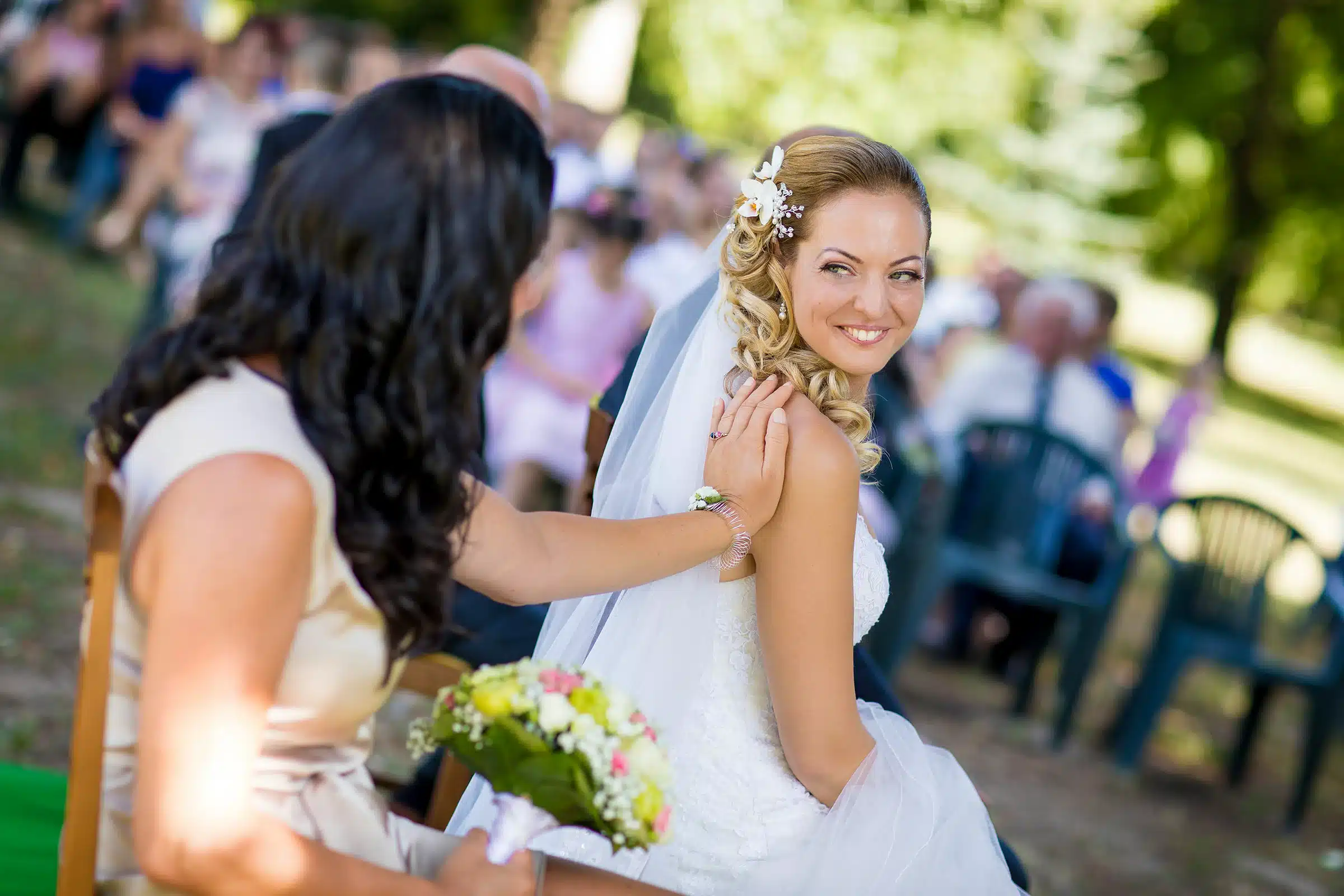
Can Documentary Style Wedding Photography Include Family Photos and Couple Portraits?
Absolutely. Documentary wedding photography doesn’t mean giving up beautiful family photographs or creative couple portraits. It means knowing when to step back and when a little direction makes the photograph better.
Family groups work better with a little planning. Before the wedding, we can agree on a list of the combinations you want. On the day, someone who knows the family can help gather people while we organise the photographs. It saves everyone waiting around for a missing cousin. We also keep an eye on the hugs and conversations happening between groups.
Couple portraits are different again. We look for good light, interesting backgrounds and angles that suit you and the setting. We’re happy to offer gentle direction when it makes a photograph stronger, whether that’s suggesting where to stand or taking a short walk together. We enjoy creating more artistic portraits too. They can be carefully composed without feeling stiff.
We discuss portrait time beforehand. Some couples prefer a short session and more time with guests; others want extra time for creative photographs. Both work alongside the unposed story of your wedding day.
Is Documentary Style Wedding Photography Right for You?
We often ask couples how they want their wedding day to feel. If you’re happiest catching up with friends, spending time with family and forgetting about the camera, a documentary approach may suit you. Not every conversation needs to become a photograph.
It helps if you love the little imperfections that make a day yours. Someone laughing with their eyes closed, a child wandering into the background or a sudden change of plans can become part of the story. We can’t promise particular reactions, and we’d rather photograph what’s real than recreate it.
But if you’ve saved dozens of carefully styled portraits and want most of your gallery to look that way, you may prefer a more directed approach. There’s nothing wrong with knowing what you want. It’s worth discussing before the wedding.
We’ve also worked with couples who feel awkward in front of a camera for different reasons. Some want us to step back; others relax once we offer a little direction. We make room for both. The question isn’t whether you know how to pose. It’s how you want to spend your day.
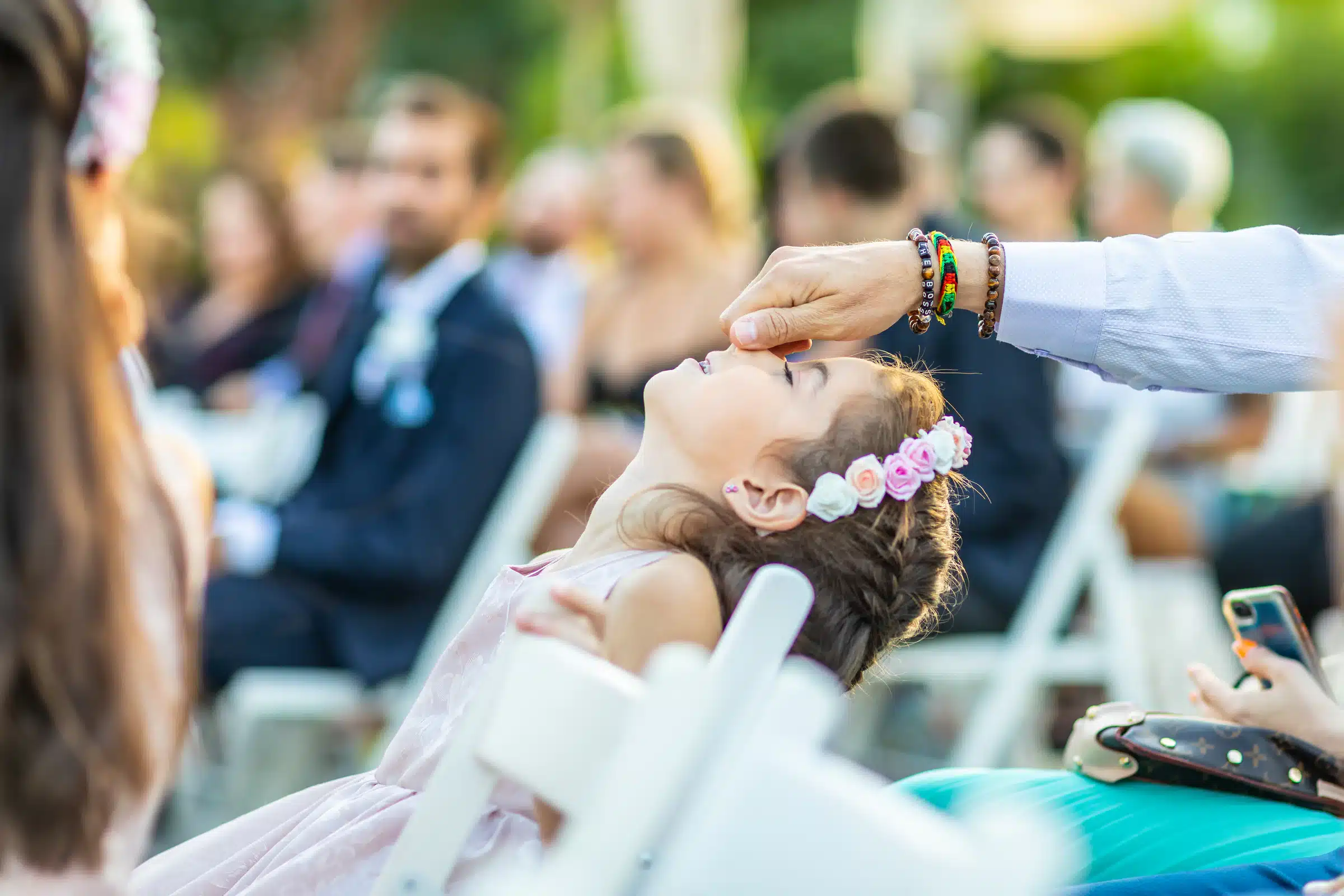
Documentary Wedding Photography in Ireland: Working with Light, Weather and Timing
Irish weather doesn’t always follow the wedding schedule, and that’s something we’ve learned to work with. A shower might interrupt drinks outside and vanish minutes later. We keep photographing what’s happening around us.
On a wet afternoon, a covered entrance or a room with good window light may work better for portraits than the gardens we’d planned. If the rain eases, we can take a few photographs outside.
Winter brings another challenge: daylight fades early. We discuss the timing of family photographs and couple portraits beforehand, especially when the ceremony is late in the day. You can check Dublin’s sunrise and sunset times to see how much the available daylight changes through the year. That planning leaves us free to follow the rest as it unfolds.
Inside a dim church or reception room, we consider the light already there and whether extra lighting would help, without losing the atmosphere of the place. The important part is knowing when to use the light we have, when to change plans and when to let the moment happen.
How to Choose a Documentary Wedding Photographer
It’s easy to fall for a photographer’s favourite images. But a handful of beautiful photographs won’t show you how someone handles an entire wedding. If you’re considering documentary style wedding photography, we’d suggest looking through at least one full gallery, not just the highlights on a website.
Look beyond the portraits and the big moments. Are there photographs of guests chatting, people reacting during speeches and all the small things that happened between them? Does the story still feel complete when the light isn’t perfect or the setting isn’t spectacular?
Then ask how the photographer actually works. Will they give you space during the ceremony? How do they handle family groups and couple portraits? And what happens when plans change? Their answers should help you picture the day, rather than leave you guessing.
Finally, see how you feel talking to them. You’ll spend a lot of your wedding day around your photographer. Our questions to ask a wedding photographer can help you prepare for that conversation.
Want to Know How We’d Photograph Your Wedding?
Tell us about your plans, and we’ll help you explore an approach that feels right for your day.
Frequently Asked Questions About Documentary Wedding Photography
Are documentary wedding photographs edited?
Yes. Capturing a moment naturally doesn’t mean leaving the image untouched. We edit photographs for a consistent finish while keeping the people and the moment recognisable.
Will all our photographs be in black and white?
No. Documentary describes how photographs are made, not their colour. Black and white can suit certain scenes, but it’s a creative choice rather than a requirement.
Can we request photographs of particular guests or traditions?
Definitely. Tell us about the people and customs that matter to you before the wedding. We can prepare to capture them, though we can’t promise a particular reaction.
Do we need a second photographer?
Not always. It depends on your plans, the locations and whether important moments happen simultaneously. We’ll discuss whether another photographer would add useful coverage.
How many photographs will we receive?
That depends on how long we’re photographing and what happens during the day. We can explain the expected delivery when we discuss your package.
Does documentary photography work for a small wedding?
Absolutely. Fewer guests don’t mean fewer meaningful connections. A small wedding can be full of quiet exchanges that deserve to be remembered.
Can documentary photography and wedding videography work together?
Yes. We offer both, and coordinating where we stand helps us capture events without getting in each other’s way or repeatedly interrupting you.
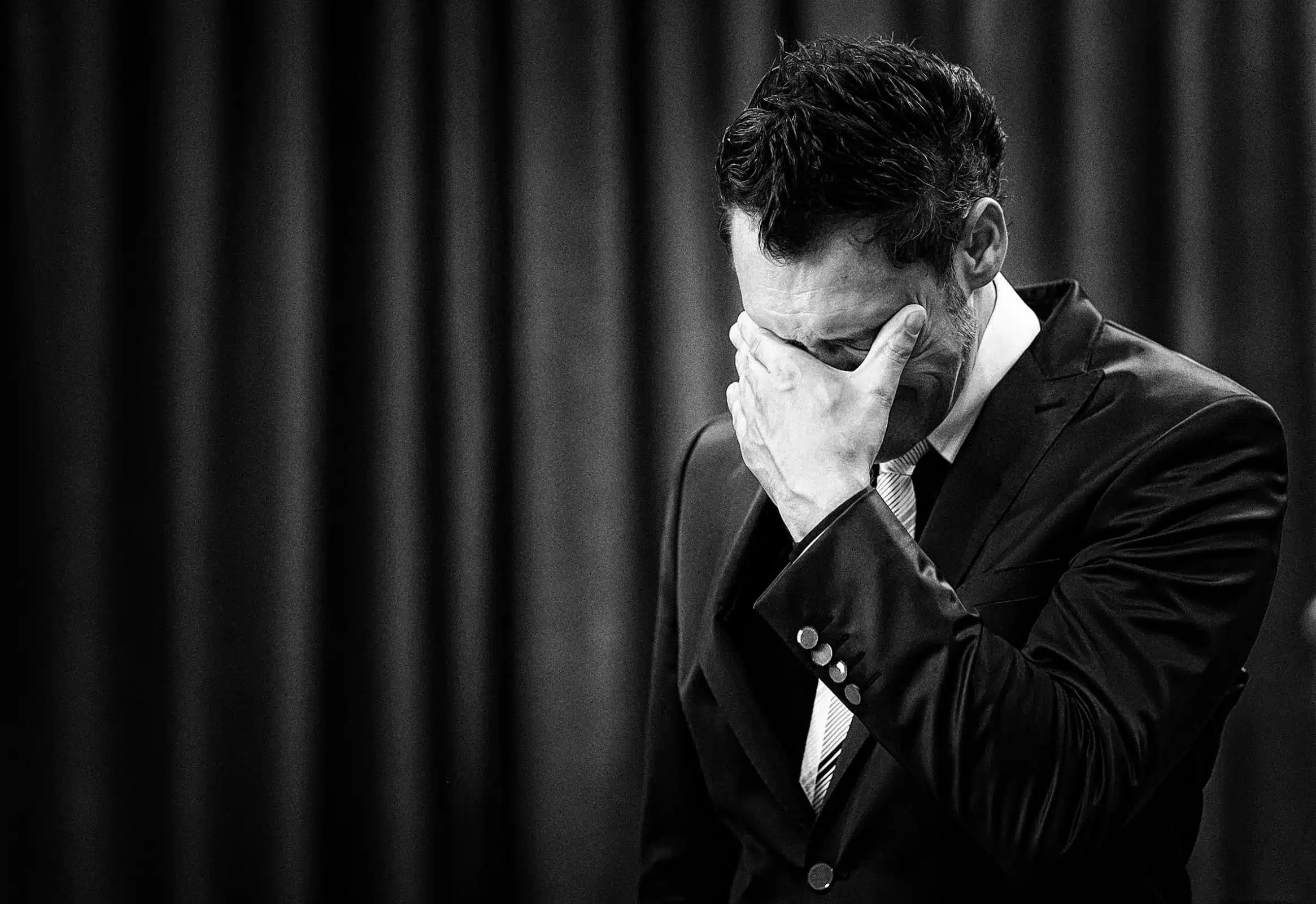
Your Wedding Day, As It Really Happened
Sometimes, the photograph you value most isn’t the one you expected. A planned portrait may become a favourite. So might a quiet image that, years later, brings back someone’s laugh or the way the room felt.
We can’t know which pictures will matter most. That’s why we pay attention beyond the highlights, without turning every second into a photograph. We want you to have a story worth returning to, including parts you didn’t think to ask us to capture.
Shall We Talk About Your Wedding?
If this approach feels right for you, we’d love to hear about the wedding you’re planning.
-
 Janos Fazekas
- Published:
- Modified: 06 Nov 2026

This website uses cookies to improve your experience. Cookie Policy